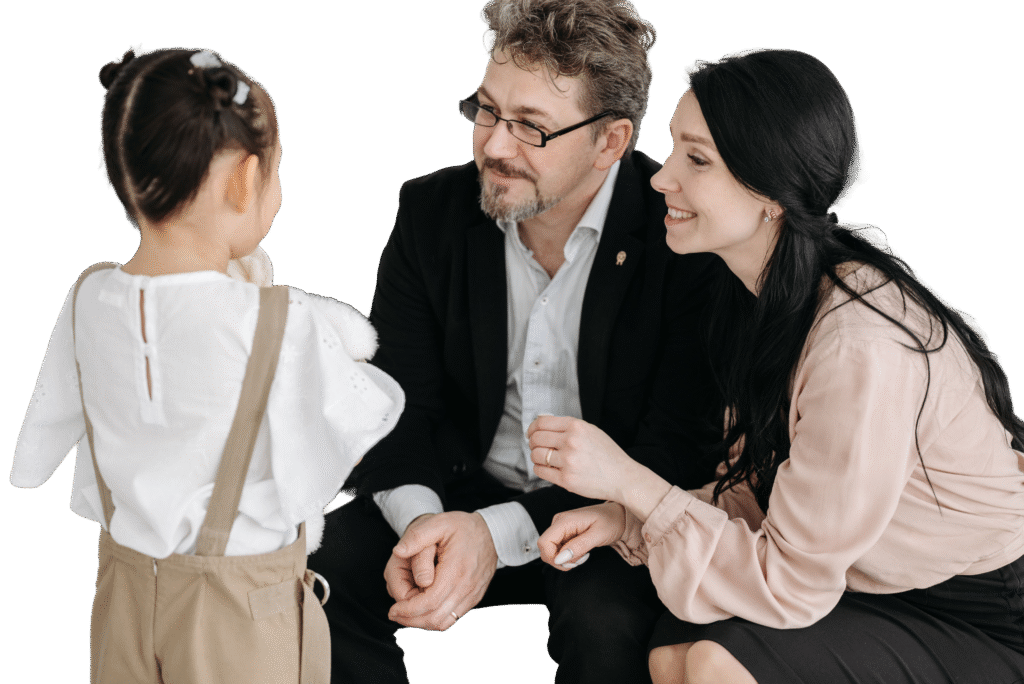
Anxiety in children is more common than most parents realise. Studies suggest that 1 in 8 children experiences anxiety — yet many go undiagnosed for years because it looks different from what we’d expect.
Your child’s anxiety might show up as clinginess, tantrums, refusal to go to school, constant “what if” questions, or physical symptoms like stomach aches. Whatever form it takes, the good news is: anxiety in children responds very well to the right support.
Understand What Anxiety Actually Feels Like for a Child
Anxiety isn’t a choice or a weakness. It’s the brain’s alarm system working overtime. For a child, this can feel genuinely overwhelming — their heart races, their stomach knots, and they can’t always explain why.
Avoid telling your child to “just relax” or “stop worrying.” Instead, validate their feeling: “I can see you’re feeling scared. That makes sense. Let’s figure this out together.”
Create Predictability at Home
Anxious children feel safer with routine. Knowing what comes next — meals, school, homework, bedtime — reduces the number of unknowns they have to process. If the routine needs to change, give advance notice and explain what will happen.
Teach Simple Breathing Techniques
Deep breathing is one of the most effective tools for calming an anxious mind. Try the “4-7-8” technique with your child:
- Breathe in for 4 counts
- Hold for 7 counts
- Breathe out slowly for 8 counts
Make it a game. Practise when your child is calm so it becomes a tool they can use when anxious.
Don’t Avoid the Things That Cause Anxiety
It’s tempting to protect your child by keeping them away from things that scare them — but avoidance makes anxiety stronger over time. With gentle, gradual exposure (and your support), children learn that they can handle scary situations.
If your child refuses to go to school, don’t keep them home every time — work towards a gradual return, with school and a therapist if needed.
Limit Reassurance-Seeking
Anxious children often ask for reassurance constantly: “Are you sure nothing bad will happen?” While it’s natural to soothe them, excessive reassurance feeds the anxiety loop. Instead, express confidence: “I know this feels hard. I also know you can handle it.”
When to Seek Professional Help
If anxiety is stopping your child from:
- Going to school regularly
- Making or keeping friends
- Sleeping properly
- Enjoying activities they used to love
…it’s time to speak to a child psychologist. Cognitive Behavioural Therapy (CBT) is the gold-standard treatment for childhood anxiety and has an excellent success rate.
How Omora Care Can Help
At Omora Care, our child psychologists specialise in childhood anxiety. We offer warm, child-friendly online therapy sessions for families everywhere. Our approach combines evidence-based therapy with practical tools parents can use at home.