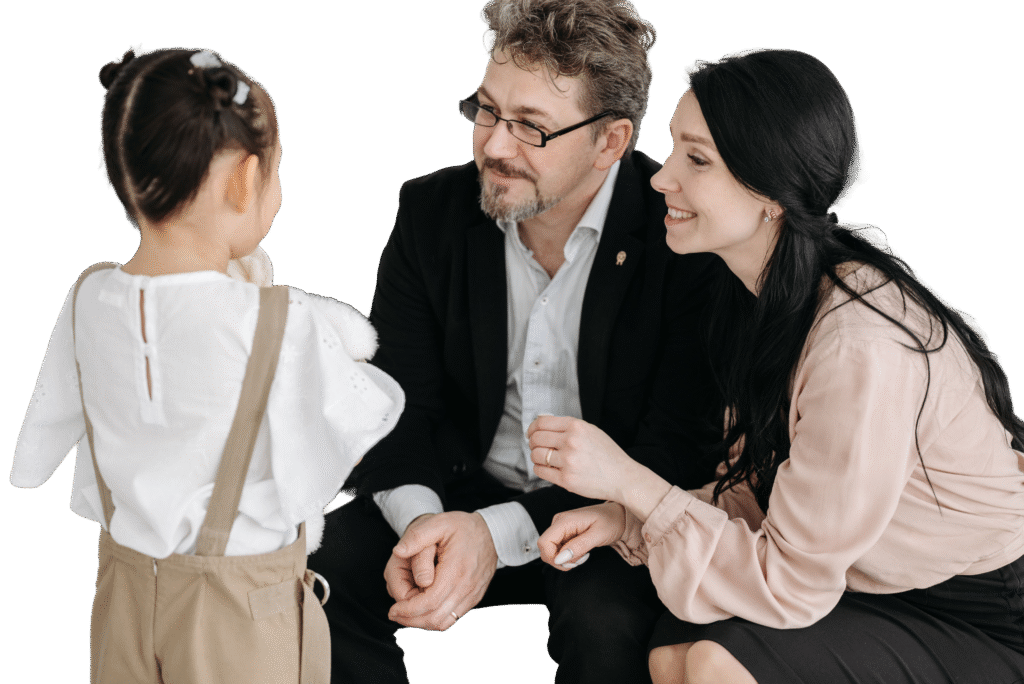
Every parent waits for those first words with excitement. When they come later than expected, or when your child struggles to put sentences together long after their friends are chatting away, it is natural to feel worried. A language disorder is one reason a child may find talking and understanding harder than other children their age.
This is not about being shy or slow to warm up. It is a real difference in how a child learns and uses language, and with the right support, most children make wonderful progress.
What Is a Language Disorder?
A language disorder means a child has ongoing difficulty learning and using words to communicate. It can affect the words they understand, the words they use, or both.
Some children struggle to follow instructions or answer questions because they find it hard to make sense of what they hear. Others understand well but cannot find the right words, build proper sentences, or tell a simple story in order.
A child with a language disorder usually has typical intelligence and normal hearing. The difficulty sits specifically with language itself, which is why it can feel confusing for families who see their child thriving in other areas.
Receptive and Expressive Language
Language has two sides. Receptive language is understanding what others say. Expressive language is putting your own thoughts into words.
A child might have trouble with one side or with both. You may notice a little one who nods along but does not really follow, or an older child whose sentences stay short and simple while classmates speak in longer, richer ways.
Signs Parents Often Notice
Growing up in a multilingual home is common, and hearing Hindi, English, and other languages does not cause a language disorder. Still, certain patterns are worth paying attention to.
You might see a small vocabulary compared with other children the same age. Your child may leave out words, mix up word order, or use vague words like thing and stuff instead of specific names.
Some children find it hard to join a conversation, answer who and what and why questions, or retell what happened at school. Frustration and tantrums can appear too, simply because a child cannot get their message across.
Understanding the DSM-5-TR Criteria in Plain Language
Clinicians use a guide called the DSM-5-TR to describe language disorder. The wording sounds technical, so here is what it really means for your family in everyday terms.
Ongoing difficulty with language. Your child has lasting trouble understanding or producing words, sentences, and conversation, whether through speaking, writing, or sign.
Skills below what is expected for age. Their language abilities sit noticeably below other children of the same age, and this gets in the way of talking with others, doing well at school, or making friends.
It begins early. The signs start in the early developmental years, even if they become clearer once school and social demands grow.
It is not explained by something else. The difficulty is not caused by hearing loss, a physical problem, intellectual disability, or another medical condition.
A speech and language therapist looks at all of this together, rather than judging from one moment or one difficult day.
What Causes a Language Disorder?
Often there is no single cause, and it is never something a parent did wrong. Language disorders tend to run in families, which points to a genetic link.
Differences in how the brain processes language play a part too. What matters most is not finding someone to blame but getting the right help early.
Practical Steps Parents Can Take
You are your child’s most important language partner, and small daily habits make a real difference.
Talk, narrate, and wait
Describe what you are doing through the day, from cooking dinner to walking to the market. Keep your sentences clear and give your child time to respond without rushing to fill the silence.
Read together every day
Sharing books builds vocabulary and understanding. Point to pictures, ask simple questions, and let your child turn the pages and guess what happens next.
Follow their lead
Notice what your child is interested in and talk about that. When they say a short phrase, gently repeat it back in a fuller form, so a child who says want juice hears yes, you want some juice.
Keep home languages alive
You do not need to drop Hindi or any home language. Children can learn more than one language well, and a strong first language actually supports the others.
Seek an assessment early
If your worries continue, trust your instinct and ask for a professional opinion. Early support gives children the best chance to catch up and feel confident.
When to Reach Out for Help
Consider an assessment if your child is well behind peers in understanding or speaking, if progress seems stuck, or if communication struggles are affecting friendships, learning, or confidence.
Getting answers early is a gift, not a label. It opens the door to the right kind of support at the age when it helps the most.
How Omora Care Can Support Your Child
At Omora Care, our team understands how much you want your child to be heard and understood. We offer warm, thorough assessments and gentle, play based therapy that meets your child exactly where they are.
If you have been noticing signs of a language difficulty, you do not have to wait and wonder. Book an assessment with Omora Care today, and let us walk alongside you and your child on the path to confident communication.