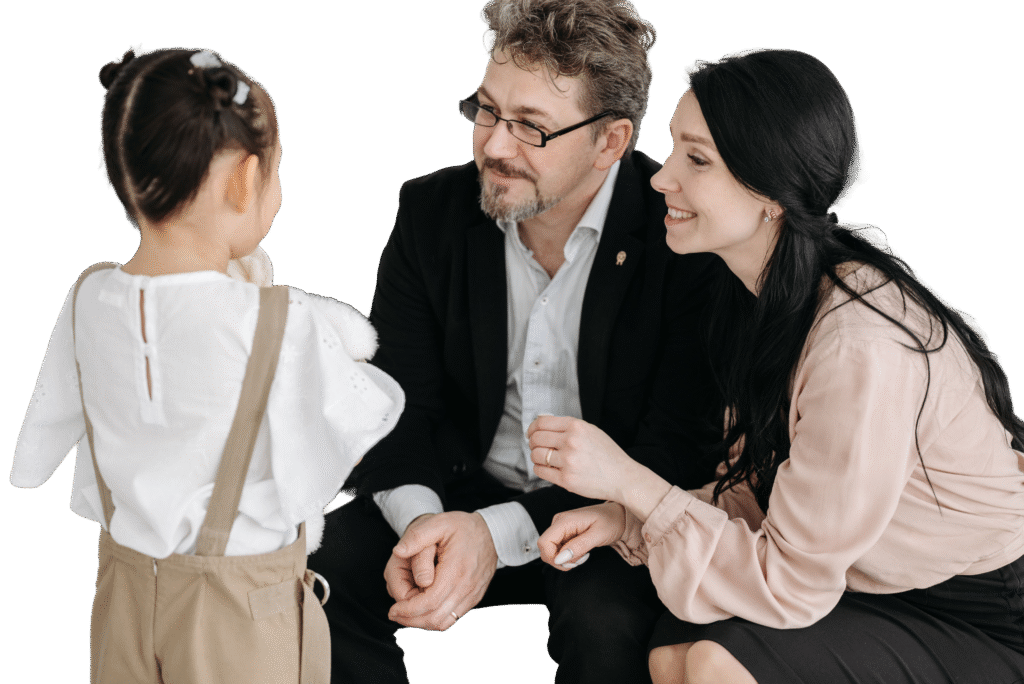
“She talks all the time at home. But the moment we arrive at school, she goes completely silent.” “He hasn’t spoken to his teacher once in three months.” “People think she’s rude or strange, but she literally cannot get the words out.”
If this describes your child, they may have Selective Mutism, a condition that is frequently misunderstood, misdiagnosed, and mistreated.
What Is Selective Mutism?
Selective Mutism (SM) is an anxiety disorder in which a child who is capable of speaking does not speak in specific situations, typically social settings like school, shops, or with unfamiliar people, despite speaking normally in other settings, usually at home with close family.
The key word is cannot, not will not. Children with selective mutism are not being stubborn, rude, or defiant. They are experiencing a genuine anxiety response that physically prevents speech in certain situations. Pressuring, bribing, or punishing them for not speaking makes it significantly worse.
How Common Is It?
Selective Mutism affects approximately 1 in 140 children. It most commonly begins between ages 2 and 5, often becoming more apparent when children start school.
What Does It Look Like?
- Consistent failure to speak in specific social situations despite speaking in others
- The silence lasts at least one month (not just the first month of school)
- The child understands language perfectly and can speak fluently at home
- The inability to speak interferes with school, friendships, or daily activities
In addition, children with selective mutism may appear frozen or expressionless in anxiety-triggering situations, avoid eye contact, communicate through gestures or whispering, and show physical symptoms of anxiety.
Why Does It Happen?
Selective Mutism is rooted in anxiety, specifically, a heightened anxiety response to social situations. When the brain perceives a threatening situation, the fight-or-flight response activates. For children with selective mutism, being expected to speak in certain situations triggers this response, and speech literally becomes impossible.
What Support Helps?
The most important principle is gradual, pressure-free exposure. Forcing speech always backfires.
Systematic desensitisation: Gradually introducing speaking situations from least to most anxiety-provoking.
Stimulus fading: Starting with the child speaking comfortably with a trusted person, then very gradually introducing new people.
Parent and teacher training: Equipping the adults in the child’s life with specific strategies, what to say, what not to say, and how to reduce pressure.
What never helps: Pressuring the child to speak, drawing attention to the silence, punishing or rewarding based on speaking, or forcing situations before the child is ready.
What Omora Care Wants You to Know
Children with selective mutism can and do find their voice. With the right approach, patient, pressure-free, and built around the child’s pace, they make remarkable progress.
Your child is not being difficult. They are being brave every single day in situations that feel genuinely overwhelming to them. They need support, not pressure. And so do you.