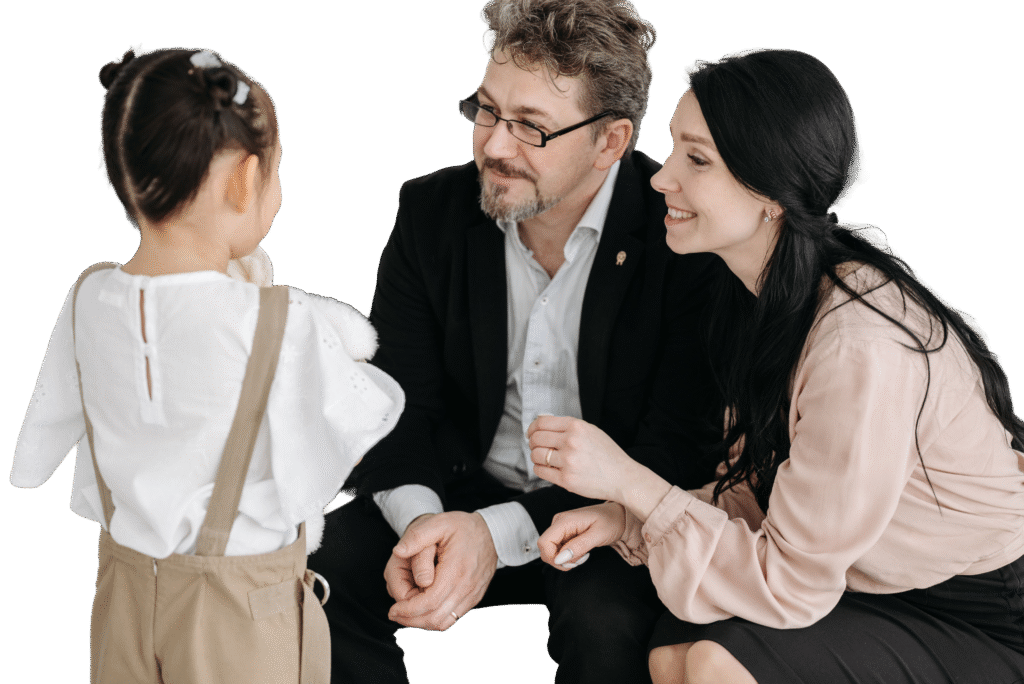
Every child faces change. A new school, a move to a different home, a family separation, the loss of a pet, or the arrival of a new sibling can shake up a child’s world. Most children wobble for a while and then find their footing.
Sometimes the wobble lasts longer and cuts deeper than expected. When a child struggles to cope with a stressful event in a way that starts to affect daily life, professionals may describe it as an adjustment disorder. This is more common than many parents realize, and it is very treatable.
What Is Adjustment Disorder?
Adjustment disorder is an emotional or behavioral reaction to a stressful life event that feels bigger than what you might expect. The reaction shows up within about three months of the event and causes real distress or gets in the way of school, friendships, or home life.
Think of it as a child’s coping system being briefly overwhelmed. The stress is real, the feelings are real, and the child is not misbehaving on purpose. Their inner world simply needs support to settle again.
Common Triggers
Almost any change can act as a trigger, and what feels minor to an adult can feel enormous to a child. The event does not have to be tragic to have a big impact.
- Family changes such as divorce, separation, or a new stepfamily.
- Moving to a new home, city, or country.
- School stress like starting a new grade, changing schools, or bullying.
- Loss of a loved one, a friend who moves away, or a beloved pet.
- Health events such as an illness or hospital stay in the family.
- New responsibilities like the birth of a sibling.
Signs Parents May Notice
The signs vary a lot from child to child. Some children turn inward and grow quiet. Others act out and become irritable or defiant.
Emotional signs
Your child may seem sad, tearful, or worried much of the time. They might feel hopeless, lose interest in things they used to enjoy, or express fears that feel hard to soothe.
Behavioral signs
Some children show their distress through actions. You might see more tantrums, arguing, skipping schoolwork, withdrawing from friends, or in older children, risky or rule breaking behavior.
Physical signs
Stress often lives in the body. Headaches, stomachaches, changes in sleep, appetite shifts, and low energy can all be part of the picture, even when nothing medical is wrong.
Understanding the DSM-5-TR Criteria in Plain Language
Clinicians use a guide called the DSM-5-TR to describe what an adjustment disorder looks like. The language can sound technical, so here is what it really means for your child.
- There is a clear stressor. The emotional or behavioral symptoms begin within three months of an identifiable change or event.
- The reaction is out of proportion or disruptive. The distress is more intense than expected for the situation, or it clearly interferes with school, friendships, or family life.
- It is not simply another condition. The symptoms are not better explained by a different mental health condition or by normal grief.
- It tends to be time limited. Symptoms usually ease within six months once the stressor and its effects have passed.
Professionals also note the main flavor of the reaction, such as low mood, anxiety, a mix of both, or changes in behavior. This helps guide the kind of support a child receives.
Practical Steps Parents Can Take
You do not need to fix everything at once. Small, steady acts of support make a real difference. Here are approaches that help many families.
- Name the change out loud. Let your child know you see that things have shifted. Simple words like “This has been a big week for our family” help a child feel understood.
- Keep routines steady. Predictable meals, bedtimes, and rhythms give a child a sense of safety when other things feel uncertain.
- Make room for feelings. Let your child cry, worry, or be angry without rushing to make it better. Feeling heard is often the first step toward feeling better.
- Offer gentle structure and choices. Small choices, like which book to read or which snack to have, give a child a sense of control during an uncertain time.
- Protect sleep, food, and movement. A rested, nourished, and active body copes with stress far better. These basics are quietly powerful.
- Model calm coping. Children watch how the adults around them handle stress. When you take a slow breath and stay steady, you teach them how to do the same.
- Stay connected to school. A short note to a teacher can create understanding and support during the day.
When to Seek Professional Support
Many children recover with time, patience, and a supportive home. Still, there are moments when extra help is the kindest choice.
Reach out to a professional if the distress lasts longer than a few months, if it keeps getting worse, or if it is stopping your child from going to school, sleeping, eating, or spending time with friends. Always seek help right away if your child talks about hurting themselves or no longer wanting to be here.
Asking for support is not a sign that you have done something wrong. It is a sign that you are paying attention and taking your child’s feelings seriously.
How Therapy Helps
Therapy gives children a safe space to make sense of what happened and to build coping skills. A therapist may use play, conversation, or creative activities depending on the child’s age. Parents are often included so the whole family can heal together.
A Gentle Reminder for Parents
Your child is not broken, and neither are you. An adjustment disorder is a sign that a young heart met something hard and needs a little help finding its balance again. With warmth, patience, and the right support, most children come through stronger.
At Omora Care, our child therapists gently support children and families through big changes and the feelings that come with them. If your child is struggling to cope after a stressful event, we are here to help. Reach out to book an assessment and take the first step toward calmer, brighter days for your family.