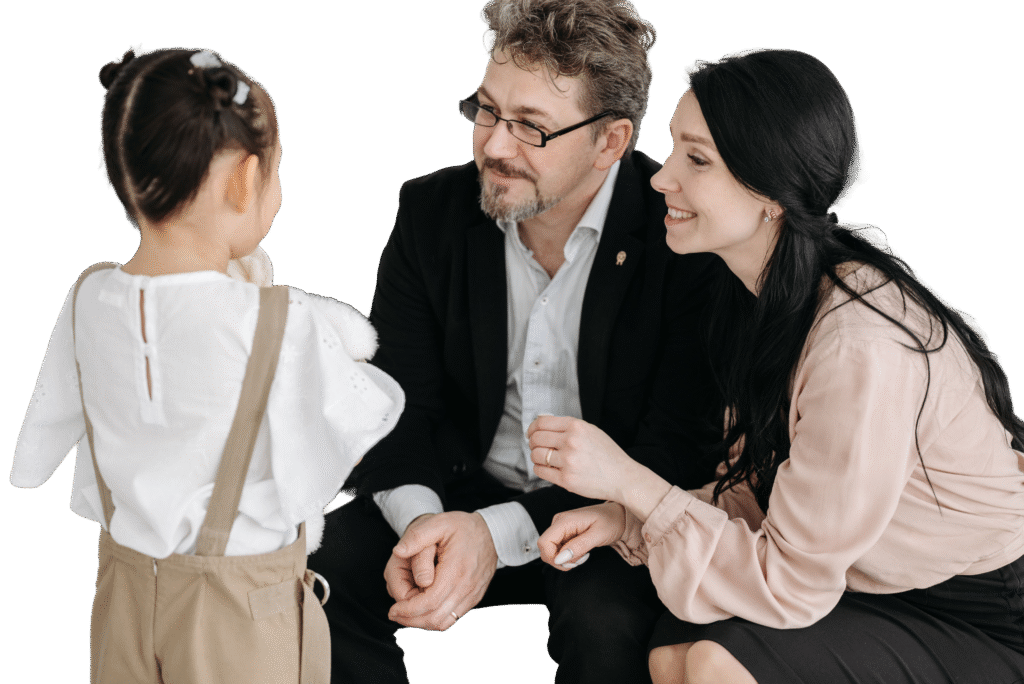
When your child talks and other people struggle to understand what they are saying, it can be worrying. You might notice that your little one swaps certain sounds, drops letters at the ends of words, or that their speech sounds much younger than their age. For many families, this becomes clear when a child starts school and teachers or classmates find their words hard to follow.
Speech Sound Disorder is common, and with the right support most children make wonderful progress. Understanding what it is, and what it is not, is the first step toward helping your child.
What Is Speech Sound Disorder?
Speech Sound Disorder is a difficulty with making the sounds of speech clearly and correctly for a child’s age. Children learn sounds in a natural order as they grow. Some sounds, like “p” and “m”, come early. Others, like “r”, “s”, and “th”, take longer and may not be mastered until age six or seven.
A child with this condition has trouble that goes beyond the usual pattern. They may substitute one sound for another, leave sounds out, add extra sounds, or distort them. As a result, family members, teachers, and friends may find it hard to understand them.
This is not about intelligence. Bright, curious children can have speech sound difficulties. It is also not the same as stuttering, which affects the flow of speech rather than the individual sounds.
Common Signs Parents Notice
- Saying “tat” instead of “cat” or “wabbit” instead of “rabbit”
- Dropping sounds at the end of words, so “dog” becomes “do”
- Speech that is much harder to understand than other children of the same age
- Frustration when they are not understood, sometimes leading to fewer words or withdrawal
- Relatives outside the home understanding far less of what the child says than parents do
Understanding the DSM-5-TR Criteria in Plain Language
Clinicians use a guide called the DSM-5-TR to describe conditions consistently. For Speech Sound Disorder, the description focuses on a few clear ideas that parents can easily recognise.
Ongoing difficulty producing speech sounds. The child has persistent trouble making sounds clearly, which affects how well others can understand their words.
It affects daily life. The difficulty gets in the way of communication. It may hold back social play, participation in class, or the child’s growing confidence.
It begins in early childhood. The signs appear during the early developmental years rather than starting suddenly later on.
It is not better explained by another cause. The difficulty is not due to hearing loss, a physical problem with the mouth, or another medical or neurological condition. When such causes are present, they are considered separately.
A speech and language therapist looks at all of this together, along with your child’s age, before offering a diagnosis. The goal is never to label a child. It is to understand exactly where they need support.
Why Does It Happen?
Often there is no single reason. Many children simply need more time and practice to coordinate the fine movements of the lips, tongue, and jaw that clear speech requires.
Some factors can play a part. A family history of speech or language difficulties, frequent ear infections that affect hearing in the early years, or differences in how the brain processes sound patterns can all contribute. Knowing the cause is helpful, but treatment can begin and succeed even when the cause is unclear.
Practical Steps Parents Can Take
You have more power to help than you might think. Small, steady habits at home make a real difference alongside professional support.
Create a Calm Space for Talking
Give your child your full attention when they speak. Get down to their level, make eye contact, and wait patiently. When a child feels unhurried and safe, they are far more willing to try.
Model, Do Not Correct
Instead of asking your child to repeat a word again and again, simply say it back correctly. If they say “I see a tar”, you can reply warmly, “Yes, that is a big car.” They hear the right sound without feeling they have failed.
Read and Play With Sounds Every Day
Read picture books together, sing songs, and play rhyming games. Nursery rhymes in Hindi, English, or your home language all build sound awareness. Everyday play is one of the strongest tools for speech growth.
Check Hearing First
Because hearing and speech are so closely linked, a simple hearing test is a wise early step. Repeated ear infections are common in young children and can quietly affect how they learn sounds.
Seek Help Sooner Rather Than Later
You do not need to wait to see if your child grows out of it. Early support tends to bring faster progress, and it protects your child’s confidence during the years when they are forming friendships and starting school.
How Therapy Helps
A speech and language therapist works with children through playful, enjoyable sessions. They teach the child how to place their tongue and lips, practise tricky sounds in a gentle order, and build up from single sounds to words and full sentences.
Parents are partners in this journey. The therapist will share simple activities to weave into daily life, so learning continues at home. Progress may be gradual, but for most children it is steady and encouraging.
You Are Not Alone
Watching your child struggle to be understood is hard, and reaching out for help is a loving and brave choice. With patience and the right guidance, most children learn to speak clearly and go on to thrive.
At Omora Care, our team of child therapists and speech and language specialists supports children and families through exactly these challenges. We offer warm, thorough assessments and gentle, effective therapy tailored to your child. If you have noticed any of the signs described here, we invite you to book an assessment with Omora Care so we can understand your child’s needs and walk this path with you.