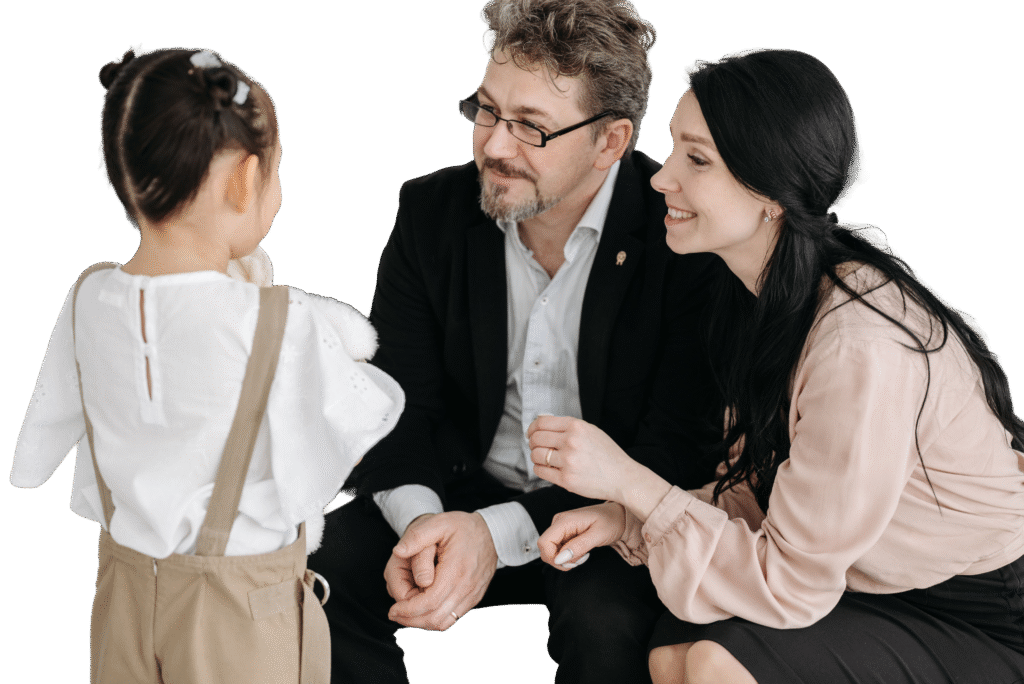
Every child is born ready to connect. From the first weeks of life, babies look for a caregiver who responds to their cries, soothes their fears, and celebrates their smiles. When that early care is consistent and loving, a child learns a simple but powerful lesson: people can be trusted.
For some children, that lesson never gets a fair chance to take root. Reactive Attachment Disorder, often shortened to RAD, is a rare but serious condition that can develop when a young child experiences severe neglect or repeated disruptions in caregiving. The child learns, far too early, that comfort may not come when they need it. As a result, they stop seeking it.
What Reactive Attachment Disorder Looks Like
Children with RAD often seem emotionally shut down around the very people who love them most. A parent reaches out to comfort them after a fall, and the child stiffens or turns away. They rarely seek hugs, rarely ask for help, and rarely relax into affection even when it is freely offered.
You may also notice that your child seems flat or joyless much of the time. Moments that would delight most children, like a birthday surprise or a favourite game, produce little visible happiness. Instead, there can be sudden bursts of irritability, sadness, or fear that appear even during calm, safe interactions.
It is important to say this clearly. RAD is not caused by anything a loving, attentive parent did wrong. It develops only in the context of severely inadequate early care, such as institutional settings with too few caregivers, repeated changes in foster placements, or extreme neglect. Many parents reading about RAD are adoptive or foster parents trying to understand a child whose hardest experiences happened before they ever met.
How Doctors Diagnose RAD: The DSM-5-TR Explained for Parents
Mental health professionals use a manual called the DSM-5-TR to make diagnoses. For Reactive Attachment Disorder, the criteria describe a consistent pattern rather than a one off behaviour. Here is what clinicians look for, in plain language.
The core feature is that the child rarely or minimally turns to caregivers for comfort when distressed, and rarely responds to comfort when it is given. Alongside this, the child shows at least two of the following: very little social and emotional responsiveness to others, limited positive emotions such as joy or excitement, and episodes of unexplained irritability, sadness, or fearfulness during ordinary interactions with caregivers.
The diagnosis also requires a history of extremely insufficient care. This might mean persistent neglect of the child’s basic emotional needs, repeated changes of primary caregivers that prevented stable attachment, or being raised in settings like understaffed institutions where forming a bond was nearly impossible.
A few more conditions apply. The behaviours must appear before age five, the child must have a developmental age of at least nine months, and the pattern cannot be better explained by autism spectrum disorder. A careful assessment always considers these possibilities, because withdrawn behaviour can have several different causes.
Why Early Attachment Matters So Much
Attachment is not just about affection. It is the foundation on which a child builds emotional regulation, curiosity, and confidence. When a baby cries and someone reliably responds, the brain wires itself around a sense of safety. That sense of safety later becomes the courage to explore, learn, and form friendships.
When early care is frightening or absent, the brain adapts to survive. The child becomes self contained, watchful, and hard to reach. These adaptations made sense in a world that felt unsafe. The good news is that the brain remains changeable, especially in childhood, and new experiences of consistent care can slowly rewrite old lessons.
RAD Is Rare, and Caution Matters
True RAD is uncommon, even among children who have experienced neglect. Many children with difficult starts develop other patterns, such as anxiety or behavioural difficulties, rather than RAD. This is why a proper assessment by a qualified child mental health professional matters so much. Labels applied too quickly can mislead families and delay the right kind of help.
Practical Steps Parents Can Take
Healing from RAD happens through relationships, not lectures or punishments. The daily moments you share with your child are the treatment. Here are approaches that professionals consistently recommend.
Become Predictable
Children with attachment difficulties need to know what comes next. Keep routines for meals, school, play, and bedtime as steady as possible. Predictability tells the nervous system that the world is safe now, even before the child can believe it consciously.
Offer Comfort Without Forcing It
Stay warm and available even when your child pulls away. Sit nearby during upsets instead of insisting on hugs. Narrate gently, saying something like, I am here whenever you need me. Over months, this patient presence teaches the child that comfort does not come with pressure or conditions.
Keep Caregivers Consistent
Limit the number of adults in caregiving roles where you can. One or two primary caregivers who show up every day help far more than many rotating helpers. If your child attends daycare or has domestic support at home, try to keep the same familiar faces involved.
Look After Yourself Too
Parenting a child who rejects comfort can feel deeply painful. Many parents describe feeling shut out or blamed. Seek support for yourself, whether through counselling, a support group, or trusted friends. A regulated, supported parent is the most powerful therapeutic tool a child with RAD can have.
What Professional Treatment Involves
Therapy for RAD focuses on strengthening the relationship between child and caregiver rather than working with the child alone. Approaches such as attachment focused family therapy and parent child interaction work give parents concrete tools while helping the child experience safety in real time.
A thorough assessment comes first. Because RAD can look like autism, depression, or the effects of ongoing stress, clinicians take a detailed history, observe the child with caregivers, and sometimes gather information from schools. Getting the diagnosis right shapes everything that follows.
In, awareness of attachment disorders is growing, but many families still hear unhelpful advice, such as suggestions that the child is simply stubborn or ungrateful. Trust your instincts. If your child consistently cannot accept comfort, that is a signal worth taking seriously, not a discipline problem to fix with strictness.
There Is Real Hope
Children with RAD can and do learn to trust. Recovery is gradual, measured in small moments: the first time your child leans into a hug, asks for help with homework, or comes to find you after a bad dream. Each of these moments is the old lesson being rewritten.
At Omora Care, our child psychologists provide comprehensive attachment focused assessments and therapy for children and their families. If you recognise your child in this article, you do not have to navigate it alone. Reach out to Omora Care today to book an assessment, and take the first step towards helping your child feel safe enough to love and be loved.