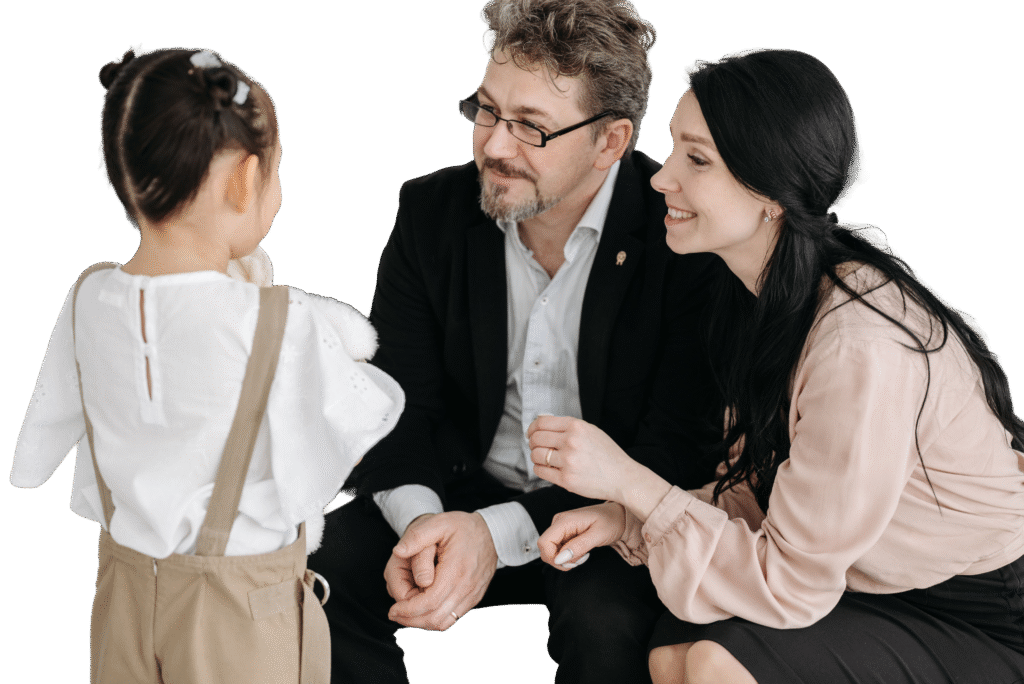
Some children worry about a test or a school play and then move on once it is over. Other children seem to carry worry with them everywhere they go. They worry about school, about health, about family, and about things that have not even happened yet. If your child seems tense on most days and struggles to switch off the worrying, they may be living with Generalized Anxiety Disorder, often called GAD.
GAD is one of the most common anxiety conditions in children and adolescents. The encouraging news is that it responds very well to the right support. This guide explains what GAD looks like, how professionals diagnose it, and what you can do at home to help your child feel calm and confident again.
What Is Generalized Anxiety Disorder?
Generalized Anxiety Disorder is a pattern of excessive worry that spreads across many areas of life. The worry is not tied to one specific fear, like dogs or the dark. Instead, it moves from topic to topic. A child with GAD may worry about grades, friendships, a parent falling ill, money, safety, and even world events, all in the same week.
What separates this from normal childhood worry is intensity and control. The anxiety feels far bigger than the situation deserves. The child also finds it very hard to stop the worried thoughts, even after being reassured again and again.
Signs Parents Often Notice
Children rarely say the words I feel anxious. Their worry usually shows up in behaviour and in the body. Here are the signs we see most often at our clinic.
- Constant what if questions. What if I fail? What if you get sick? What if we are late? The questions keep coming even after you answer them.
- Repeated reassurance seeking. Your child asks you to confirm the same thing many times a day and feels calm only for a short while.
- Perfectionism. Homework gets erased and rewritten. Small mistakes lead to tears or frustration.
- Physical complaints. Frequent headaches, stomach aches, and muscle tension, especially on school mornings.
- Sleep trouble. Difficulty falling asleep because the mind will not slow down at night.
- Irritability and tiredness. Carrying worry all day is exhausting, and it often spills out as short temper.
Many families first visit a paediatrician for the stomach aches and headaches. When medical tests come back normal, anxiety is often the missing piece of the puzzle.
How Professionals Diagnose GAD: The DSM-5-TR in Plain Language
Mental health professionals use a guide called the DSM-5-TR to make a diagnosis. The criteria can sound technical, so here is what they mean in everyday parent language.
- The child experiences excessive anxiety and worry on more days than not, and this has continued for at least six months.
- The worry covers several different areas, such as school performance, family matters, health, or friendships, rather than one single fear.
- The child finds it very difficult to control or stop the worrying on their own.
- The worry comes with at least one physical or mental symptom. For children, only one is needed. These include restlessness, getting tired easily, trouble concentrating, irritability, muscle tension, or disturbed sleep.
- The anxiety causes real distress or gets in the way of school, friendships, or family life.
- The symptoms are not better explained by another condition, a medication, or a medical illness.
Notice that children need only one accompanying symptom, while adults need three. This is because children often cannot describe their inner experience in detail. A trained child psychologist gathers information from parents, teachers, and the child to build the full picture.
Why Does GAD Develop?
There is no single cause. Some children are born with a sensitive, cautious temperament. Anxiety also runs in families, through both genes and learned habits of worrying. Life stress matters too.
For children, academic pressure is a common trigger. Board exam talk starts early, comparisons with classmates and cousins are frequent, and packed schedules leave little time to unwind. None of this causes GAD by itself, but for a child who is already prone to worry, it can turn up the volume.
Practical Steps Parents Can Take
Set a daily worry window
Give worry its own time slot. Sit with your child for ten minutes each evening and let them share every worry on their mind. Outside that window, gently remind them that the worry can wait for worry time. This teaches the brain that worry can be contained.
Change how you respond to reassurance seeking
Answering the same anxious question twenty times actually feeds the anxiety. Answer once, warmly and clearly. After that, respond with something like, we have already answered that one, what does your brave brain think? This builds the child’s own coping muscle.
Model calm coping
Children absorb how the adults around them handle stress. Let your child hear you say things like, I am feeling tense about work, so I am going to take a few deep breaths. You are showing them that stress is normal and manageable.
Protect sleep and routine
Anxious brains settle when life is predictable. Keep regular meal times, a consistent bedtime, and a calm wind down hour without screens. A tired child is always a more anxious child.
Watch the pressure around marks
Praise effort and courage rather than only results. When a child believes their worth depends on ranks and percentages, worry has fertile ground to grow.
When to Seek Professional Help
Reach out to a child psychologist if the worry has lasted several months, if your child complains of frequent unexplained aches, if sleep is regularly disturbed, or if anxiety is limiting school, friendships, or family life. Trust your instinct. Parents usually sense when worry has crossed from normal to overwhelming.
The most effective treatment for childhood GAD is Cognitive Behavioural Therapy, or CBT. In therapy, children learn to catch their worried thoughts, test them against reality, and face feared situations step by step. Parents are involved throughout, learning how to support progress at home. Most children show meaningful improvement within a few months of consistent therapy.
A Word of Hope
A diagnosis of GAD is not a life sentence of worry. It is simply a name for a pattern, and patterns can change. Children are wonderfully responsive to treatment, and many go on to manage stress better than adults who never learned these skills.
At Omora Care, our child psychologists specialise in assessing and treating anxiety disorders in children and adolescents. If the worry in your home feels bigger than it should be, we are here to help. Book an assessment with our team today, and take the first step towards giving your child a calmer, more confident childhood.